

The Addiction Dynamic:
Understanding How Addiction Develops, Evolves, And Takes Control

A Complete Family Education Guide by Jim Reidy – Interventionist
When families reach out to http://intervention365.com/ or http://addictiontreatmentgroup.com/ , they are not calling because they need information.
They are calling because something no longer makes sense.
They are watching someone they love slowly change, and they cannot figure out why conversations don’t work, why logic fails, and why the person they once knew seems to slip further away no matter how much love is given.
What I explain to families—whether I’m sitting in a home in Philadelphia, a quiet neighborhood in the Main Line, a waterfront property in Annapolis, or a community in Bethesda—is this:
Addiction is not random.
It is not chaos.
It is not personality.
It is a predictable progression of behavior designed to manage feelings.
And once you understand that progression, everything begins to make sense.
The Foundation: Addiction Is About Feeling, Not Substances
One of the biggest misunderstandings families carry when they first call http://intervention365.com/ or http://addictiontreatmentgroup.com/ is believing that the substance itself is the core problem.
Alcohol.
Oxycodone.
Heroin.
Xanax.
Cocaine.
These are not the root problem.
They are tools.
They are solutions—temporary, powerful, and ultimately destructive solutions—to something deeper.
At its core, addiction is about one thing:
The inability to comfortably experience one’s own internal world.
So the individual learns, often slowly and subtly at first, how to change how they feel.
And that learning process follows a very specific path.
Stage One: Seeking Pleasure – The Beginning That Doesn’t Look Like A Problem
In the early stage of addiction, nothing appears wrong.
In fact, things often appear better.
This is where families get confused, because what they are witnessing doesn’t resemble the crisis they fear. Instead, it looks like:
More confidence.
More social engagement.
More excitement.
More energy.
At this stage, the individual is not trying to escape pain.
They are trying to enhance life.
They have discovered something that turns ordinary experiences into extraordinary ones. What once felt boring now feels engaging. What once felt uncomfortable now feels manageable. What once felt flat now feels alive.
This is where the brain begins to learn:
“I have found something that works.”
And that belief is powerful.

When Early Stage Doesn’t Exist
Not everyone begins here.
Some individuals, especially those who grow up in uncomfortable environments—whether emotionally, physically, or psychologically—do not start by seeking pleasure.
They start by seeking relief.
Instead of saying, “This makes things better,” their internal experience is:
“This makes things go away.”
That shift is subtle but critical.
It means the addiction is not building on enhancement—it is building on escape.
And when addiction is rooted in escape from the beginning, it progresses faster and more aggressively.
Why Interventions Are Difficult In This Stage
Families often sense something is off during this early phase.
But they struggle to act.
Why?
Because from the individual’s perspective, everything is working.
There are no major consequences.
No losses.
No clear dysfunction.
In fact, the person may argue—convincingly—that their life is improving.
This is why early-stage intervention is one of the most challenging points to step in.
Because you are trying to interrupt something that, to them, feels beneficial.

The Role Of Relationships In Early Addiction
One of the most overlooked aspects of early addiction is how it reshapes relationships.
At this stage, individuals may begin forming connections that feel intense and meaningful, but are actually rooted in something very different.
They are not connecting to people.
They are connecting to how those people make them feel.
If someone provides attention, validation, admiration—those feelings become addictive.
And the individual may begin to confuse:
Attention with love.
Validation with intimacy.
Intensity with connection.
This can lead to unhealthy relationship patterns early on, including rapid attachments, emotional dependency, and a strong need for reassurance.
The Early Behavioral Adaptations Begin
Even in this early stage, patterns begin forming.
Not because the individual is trying to manipulate others intentionally, but because the brain is learning what works.
One of the first patterns we see is the development of attention-seeking behavior.
There is a natural human desire to be seen, to be recognized, to feel important. When attention is given—whether from parents, peers, or romantic interests—it creates a sense of value.
But here’s where things begin to shift:
Attention itself becomes reinforcing.
It doesn’t have to be positive. Even negative attention can validate identity. What matters is the feeling of being noticed.
So behavior begins to adjust accordingly.
At the same time, thrill-seeking often emerges.
Pushing limits.
Taking risks.
Chasing intensity.
The brain begins to associate excitement with reward, and the threshold for what feels stimulating slowly increases.
What once felt exciting becomes normal.
What once felt normal becomes boring.
And the individual begins to chase the next level.
Substance use at this stage is often categorized as experimental, but that word can be misleading.
Because what is really happening is not casual experimentation.
It is reinforcement learning.
The person is discovering that substances can take an ordinary moment and transform it into something more powerful.
That transformation becomes the hook.
The Transition: When Pleasure Stops Working
At some point—and this point is inevitable—the dynamic shifts.
The substance no longer creates the same effect.
The enhancement fades.
The excitement dulls.
And something new begins to take its place.
Discomfort.
Consequences begin to appear.
Internal unease increases.
And now, instead of using substances to feel better…
The individual begins using them to not feel worse.
Stage Two: Seeking Relief – Avoiding Discomfort
This is where addiction takes hold.
This is where families begin to recognize that something is seriously wrong.
Because the individual is no longer chasing pleasure.
They are running from pain.
Uncomfortable emotions, situations, and consequences begin to accumulate.
And instead of addressing them, the individual develops ways to make them go away.
Substances become tools for:
Numbing anxiety.
Reducing emotional pain.
Escaping reality.
This is why we often see a shift in substance preference at this stage.
Individuals may move toward:
Opioids like heroin, oxycodone, or Vicodin.
Benzodiazepines like Xanax or Valium.
Increased reliance on alcohol.
Because these substances don’t enhance life.
They suppress it.


The Development Of Middle Stage Behavior Patterns
As discomfort increases, so does the need to manage it.
And this is where behavioral patterns become more pronounced, more structured, and more visible to families.
One of the most common patterns is distraction.
The individual may immerse themselves in activities—work, hobbies, gambling, media—not because these things are inherently harmful, but because they serve a purpose.
They redirect attention away from internal discomfort.
And while some distractions may appear healthy on the surface, when they are used to avoid life, they become part of the addiction dynamic.
Dishonesty also becomes more prevalent.
Not necessarily as a calculated strategy, but as a response to discomfort.
If telling the truth leads to conflict, shame, or consequences…
Then lying becomes a way to reduce that discomfort.
Over time, this creates a distorted reality not only for the individual, but for everyone around them.
Another pattern families encounter frequently is noncommittal agreement.
The individual may respond with phrases like:
“Yeah, I hear you.”
“I understand.”
“I’ll handle it.”
But these responses are not indicators of change.
They are strategies to end the conversation.
To reduce pressure.
To return to the status quo.
Complacency becomes another powerful force.
The belief that problems will be handled “tomorrow” creates immediate relief.
It allows the individual to feel responsible without taking action.
And as long as there is a plan for the future, there is no urgency in the present.
This often expands into what I call “big plans thinking.”
Grand ideas about the future that will fix everything.
Starting a business.
Receiving money.
Making a major life change.
These plans provide hope—but they also provide escape.
Because they allow the individual to avoid dealing with what is happening right now.
The Emotional Defense System: Protecting The Addiction
As addiction progresses, the individual develops psychological defenses that protect the behavior.
One of the most prominent is the victim mindset.
Accepting responsibility is uncomfortable.
So responsibility is shifted outward.
To circumstances.
To other people.
To mental health conditions.
Even addiction itself can become part of this narrative.
“I can’t help it.”
“This is happening to me.”
These statements are not about truth.
They are about reducing discomfort.
Scenario creation is another powerful dynamic.
The individual may unconsciously create situations that justify their behavior.
Starting arguments.
Sabotaging relationships.
Creating chaos.
Because if the situation becomes uncomfortable enough…
Then using substances feels justified.
Denial and minimization are ever-present.
The individual alters their perception of reality so that the problem appears smaller than it is.
“This isn’t that bad.”
“Other people have it worse.”
These beliefs are not accidental.
They are protective.
Avoidance becomes a lifestyle.
Walking away from conversations.
Leaving jobs.
Changing environments.
There is a belief that a new setting will solve the problem.
But the truth remains:
Wherever they go, they bring themselves with them.


The Breakdown Of Communication
At this stage, families begin to experience something deeply frustrating.
Conversations no longer work.
The individual may shut down completely, refusing to engage, refusing to talk, refusing to participate.
And when communication does happen, it may escalate quickly into explosive reactions.
Anger becomes a tool.
Not just an emotional response—but a way to control the environment.
Because when anger is intense enough…
People stop bringing things up.
And when people stop bringing things up…
The addiction is protected.
Unhealthy Relationships Deepen
Relationships at this stage often become increasingly chaotic.
The individual may seek out connections that provide immediate validation, even if those relationships are unstable, unhealthy, or short-lived.
Promiscuity, emotionally intense partnerships, and dependency-driven relationships become more common.
Again, the connection is not to the person.
It is to the feeling.
Attention.
Validation.
Escape.
These become substitutes for real connection.
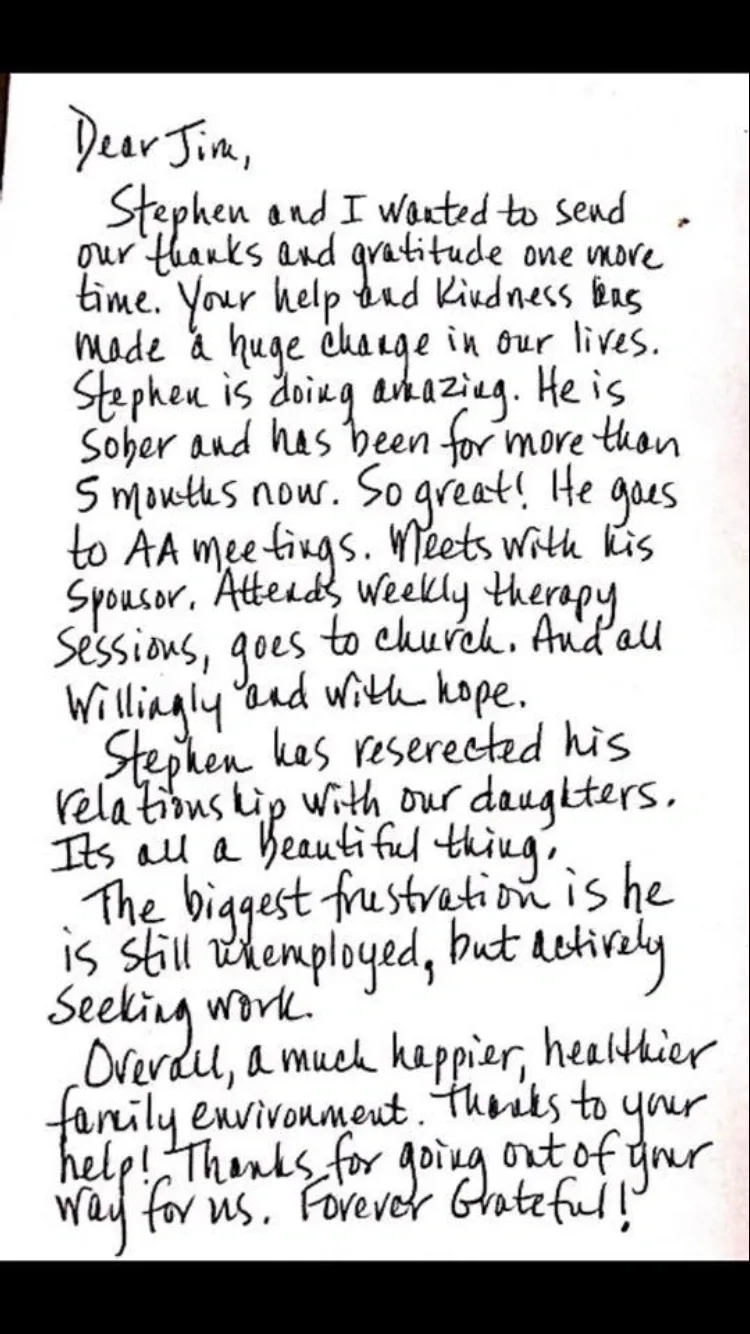
What This Means For Families
If you are seeing these patterns…
You are no longer dealing with experimentation.
You are dealing with a structured addiction dynamic.
And this is the moment where families reach out to http://intervention365.com/ and http://addictiontreatmentgroup.com/.
Because they realize something important:
This is not going to fix itself.
Time does not resolve addiction.
Waiting does not improve it.
Love alone does not change it.
The Role Of Intervention
A professional intervention is not about confrontation.
It is not about forcing someone into treatment.
It is about introducing structure into chaos.
It is about helping the family understand:
What is happening.
Why it is happening.
And what must happen next.
We prepare the family.
We organize the message.
We anticipate resistance.
And we create a moment where change becomes possible.
Final Word
If you’ve read this far, you already know something isn’t right.
You feel it.
You see it.
And maybe, for the first time, you understand it.
Addiction is not a mystery.
It is a pattern.
And patterns can be interrupted.
📞 Take The Next Step
Families across Pennsylvania, Maryland, Delaware, New Jersey, and Florida trust:
👉 http://addictiontreatmentgroup.com/
Led by Jim Reidy
Board-Certified Interventionist
750+ successful interventions
James J ReidyAddiction Treatment Group / Intervention 365Certified Intervention Professional #10266 (267) 970-7623 (888) 972-8513
