

THE JOHNSON MODEL OF INTERVENTION
Elder Substance Abuse in America — and How Intervention 365 Can Help
The Crisis by the Numbers
More older Americans are struggling with addiction than ever before. Between 2009 and 2020, treatment admissions among adults 55+ jumped 53% — from 109,000 to over 167,000. Seniors now make up 12% of all treatment seekers, compared to just 5% a decade ago. Alcohol remains the leading cause, followed by heroin and prescription medication misuse. According to the National Institute on Alcohol Abuse and Alcoholism, up to 17% of adults over 65 misuse alcohol or prescription drugs — a problem that’s often missed or misdiagnosed. In 2020 alone, alcohol contributed to 11,616 deaths among adults aged 65 and up.
Why Elders Are So Vulnerable
Aging comes with losses — in mobility, community, and purpose. Many seniors face isolation, grief, chronic pain, and anxiety, turning to alcohol or medications for relief. Changes in metabolism also make substances hit harder at older ages.
Additional risk factors include:
Retirement and unstructured time
Chronic pain and prescription opioid dependence
Grief from loss of loved ones
Depression, anxiety, or loneliness
Long-standing habits from the “baby boomer” generation

The History of the Johnson Model
Why It Often Goes Unnoticed
Elder addiction is sometimes called the “invisible epidemic.” Its warning signs — confusion, fatigue, forgetfulness — mimic normal
aging. Family members may not realize what’s happening until a crisis occurs. Many older adults hide their use out of shame or denial.
Nationally, only 1 in 5 people in need of treatment actually receive it. Among seniors, that number is even lower.
How Intervention 365 and Jim Reidy Can Help
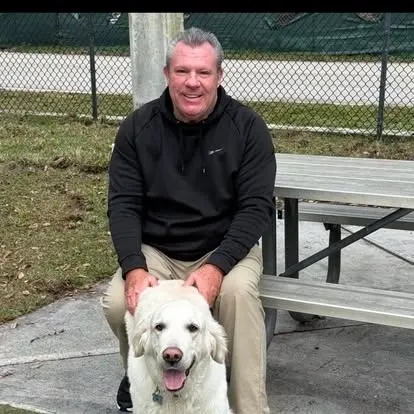
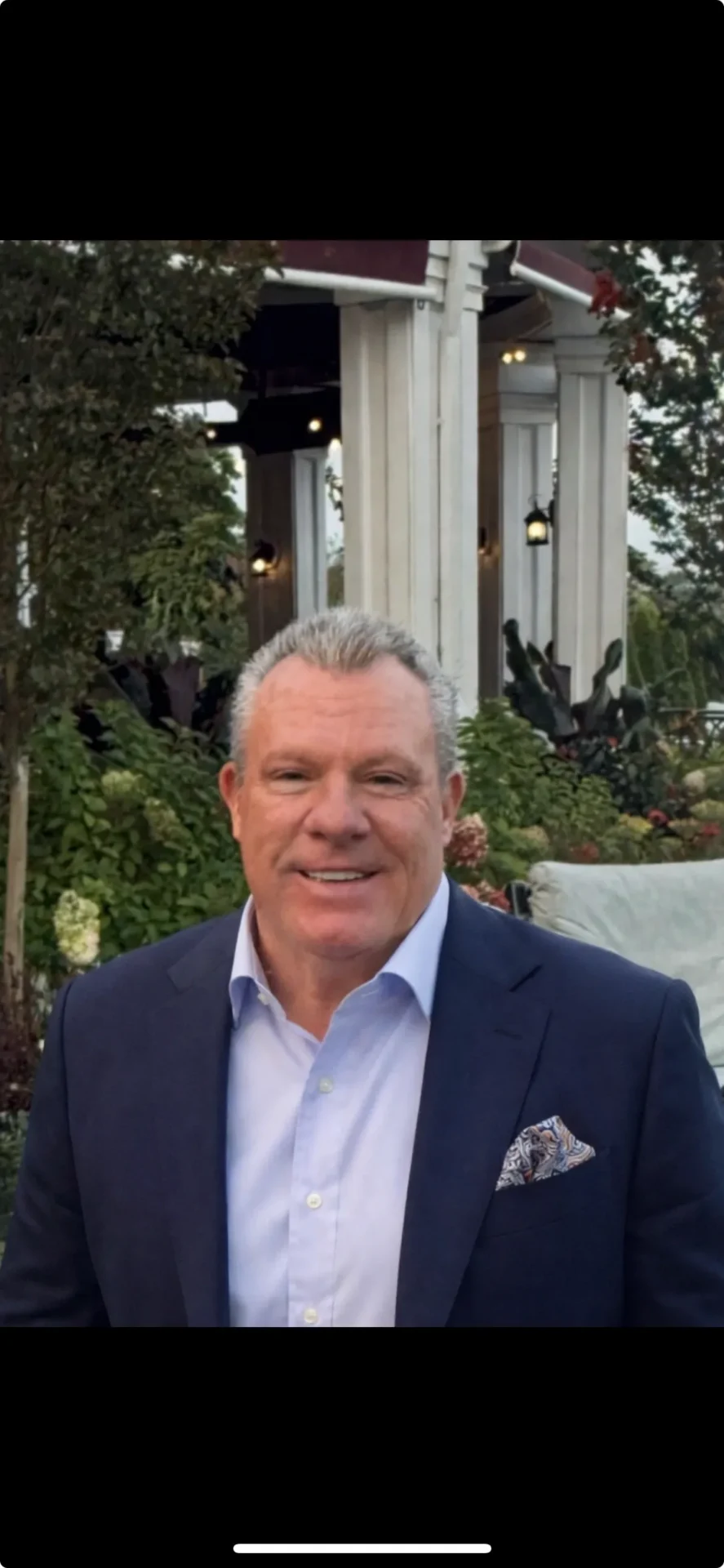
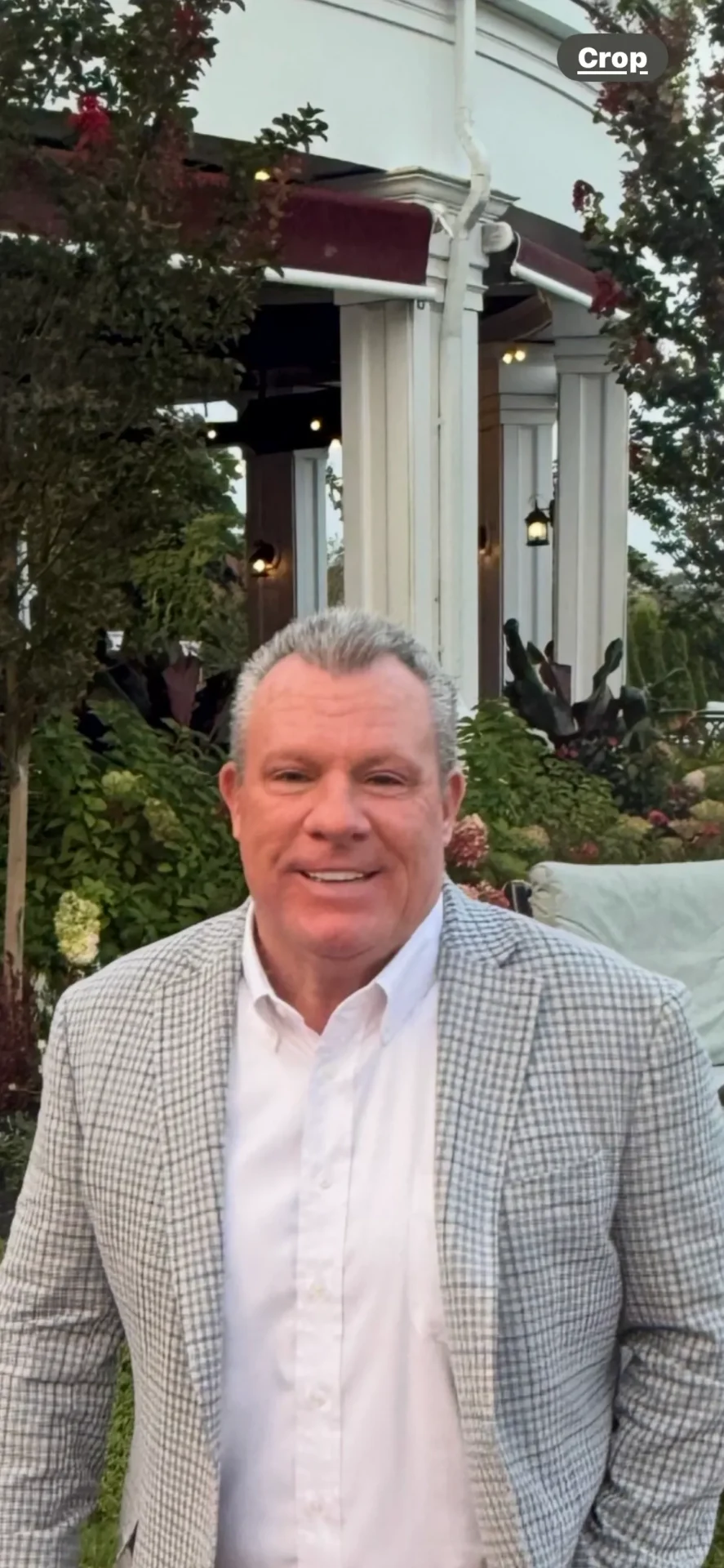
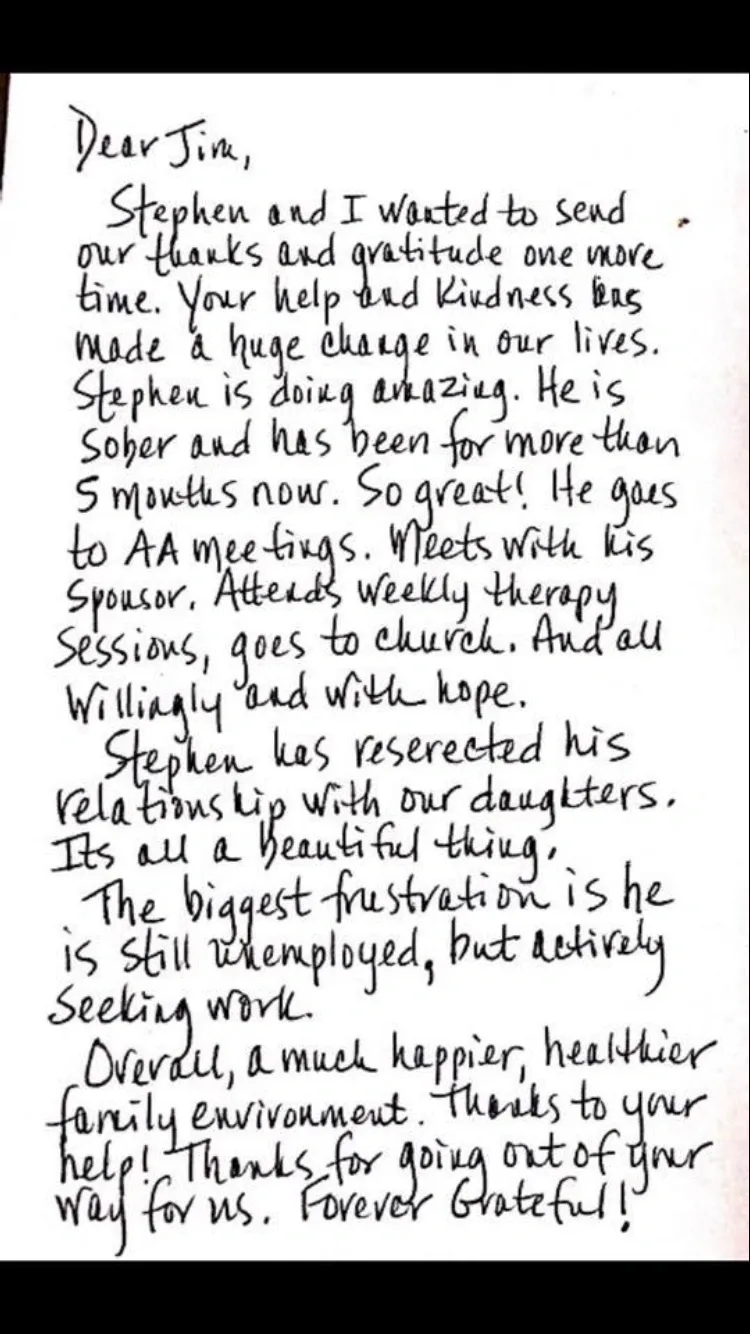
Certified Intervention Professional Jim Reidy (#10266) has over 13 years of experience and has guided more than 750 successful
interventions nationwide. His approach to elder and prescription drug intervention is structured, compassionate, and completely
family-centred:
Compassionate: Never confrontational or pressured
Family-driven: Coaching loved ones on boundaries and communication
Pre-planned: Every step mapped out before the conversation happens
Treatment-connected: Jim personally arranges placement into the most appropriate program
Ongoing support: Families aren’t left after admission — they get follow-up help and care
Interventions can be in-home or destination-based, always confidential.
The Bottom Line for Families
If your parent or loved one depends daily on alcohol or pills, it’s
not “just aging.” It’s addiction — and it’s treatable. The earlier you
act, the safer and smoother recovery can be.
Intervention 365 is your bridge from confusion to real, lasting help.
📞(267) 970-7623 | (888) 972-8513
🌐Intervention365.com | AddictionTreatmentGroup.com
Social Media Campaign Kit
Graphics Suggestions:
Older couple smiling post-recovery (“Hope Has No Age Limit”)
Statistic cards (“Elder treatment admissions rose 53% since 2009”)
Quiet living room photo with the caption “It’s not aging. It’s addiction — and it’s treatable.”
Posts:
Facebook / LinkedIn:
Elder substance misuse is rising fast — up 53% in just one decade. If your loved one is relying on alcohol or medication to get through the day, it’s time to act.
Certified Intervention Professional Jim Reidy and Intervention 365 bring families back together — compassionately, privately, and with proven results.
Learn more: Intervention365.com
📞(888) 972-8513
Instagram (shorter caption):
Addiction doesn’t retire. Seniors need compassion, not judgment — and families need guidance. Intervention 365 helps bridge that gap.💙 #ElderAddictionAwareness #Intervention365 #RecoveryIsPossible
Twitter/X:
Elder addiction is the invisible epidemic. One in five who need help ever receive it — and seniors are even less likely to. Learn how Intervention 365 helps families take action compassionately. 💙
Outreach Brochure Version (print handout or PDF)
Front panel:
Elder Substance Abuse: The Hidden Epidemic If your loved one drinks or takes medication daily just to cope — it’s not aging. It’s addiction. And there’s help.
Inside panels:
The Reality: Between 2009 and 2020, substance abuse treatment among adults 55+ rose 53%. Alcohol is the #1 issue.
The Risks: Aging amplifies the effects of substances and hides the warning signs.
The Causes: Loss, isolation, pain, and depression are major triggers.
The Solution: A structured, compassionate intervention led by Certified Intervention Professional Jim Reidy.
Back Panel:
Why Families Trust Intervention 365
13+ years’ experience, 750+ interventions
Calm, respectful approach — never confrontational
Support before, during, and after treatment
National network of trusted facilities

What Makes the Johnson Model So Effective?
Because it attacks denial from multiple angles:
Emotional truth
Specific behavioral evidence
Collective family alignment
Clear treatment pathway
Immediate logistical follow-through
Denial collapses when:
The family is unified.
The consequences are real.
Treatment is ready.
Love is clearly expressed.
Boundaries are no longer negotiable.