
Virginia Addiction & Mental Health Intervention Services
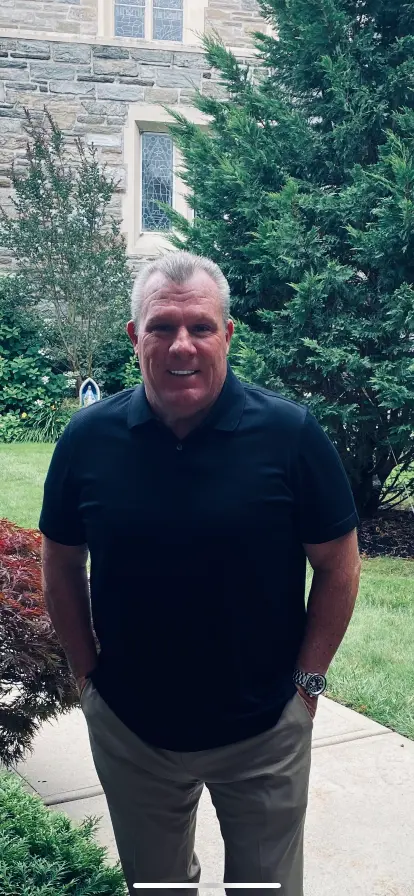
Private, family-led intervention help across Virginia
When alcohol, drugs, prescription medication, or a mental-health crisis has taken over the family, waiting for a “better time” usually makes the next emergency worse.
Intervention365.com provides private, structured Virginia interventions led by Jim Reidy, CIP #10266 — not a call center and not a treatment-bed sales desk. Jim works directly with Virginia families to prepare the right people, choose the right moment, secure appropriate treatment options before the intervention, lead a calm and honest conversation, and help coordinate next steps when the answer is yes.
Speak directly with Jim Reidy: (267) 970-7623
Toll-free: (888) 972-8513
Immediate danger, overdose, medical emergency, violence, or someone unable to stay safe? Call 911 now.
Suicide, mental-health, substance-use, or emotional crisis? Call or text 988.
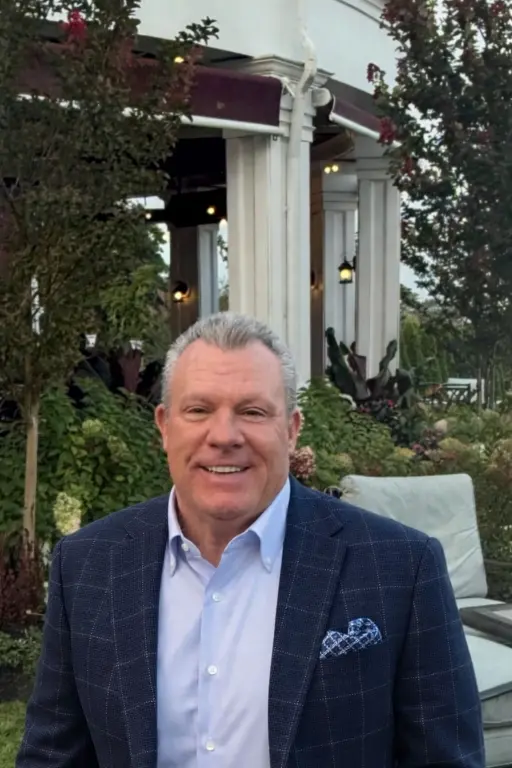
Virginia Interventionist Jim Reidy: Experience Matters
Jim Reidy is a Certified Intervention Professional, CIP #10266, with 15+ years of experience and 750+ interventions. He is a longstanding Association of Intervention Specialists member, Psychology Today Verified, and has been featured on A&E’s Intervention.
Virginia families call Intervention365.com because they need a plan that respects both urgency and privacy. That may mean a high-functioning executive drinking in secret, a young adult cycling through detoxes, a parent who cannot stop using pills, a college student at risk, or a loved one whose depression, mania, psychosis, or substance use has become unsafe.
No ethical interventionist can promise that a person will accept help. Jim’s job is to help your family stop guessing, prepare carefully, use loving but meaningful boundaries, and make treatment the clearest next step.
Virginia Intervention Services: What Your Family Receives
Family preparation before intervention day
Before anyone sits down with your loved one, Jim helps the family get aligned. That includes who should participate, who should not, how to communicate concern without blame, what each person is willing to change, and what boundaries can actually be maintained after the meeting.
A structured, compassionate intervention
Jim uses a planned, family-first approach informed by the Johnson Model tradition: clear concern, honest impact, specific treatment options, and united boundaries. The goal is not to “win” an argument. It is to interrupt the cycle, protect the family, and create a genuine opening for care.
Treatment and level-of-care coordination
When appropriate, treatment options are researched in advance so a yes can become action. Depending on clinical needs, that may include medically supervised detoxification, residential treatment, partial hospitalization, intensive outpatient care, medication for opioid-use disorder, psychiatric evaluation, trauma-informed care, or a dual-diagnosis program.
Transition and family support
After acceptance, Jim can help coordinate the transition to treatment and continue guiding the family through the early, emotionally difficult decisions that follow. The person entering care needs support; the family needs a sustainable plan too.
Virginia Communities Served
Intervention365.com serves families throughout the Commonwealth and can travel nationally when appropriate.
Northern Virginia and the Washington metro suburbs
Arlington, Alexandria, Fairfax, McLean, Great Falls, Tysons, Vienna, Oakton, Falls Church, Annandale, Springfield, Burke, Reston, Herndon, Chantilly, Centreville, Clifton, Leesburg, Ashburn, Middleburg, Purcellville, Sterling, Aldie, Brambleton, Lorton, Manassas, Woodbridge, Dumfries, and surrounding Fairfax, Loudoun, and Prince William communities.
These families often need discretion around demanding careers, public-facing work, security clearances, professional licensing, school issues, or family reputation. Privacy matters. So does moving before the crisis creates an irreversible consequence.
Richmond, Central Virginia and the I-95 corridor
Richmond, Henrico, Glen Allen, Short Pump, Tuckahoe, Midlothian, Chesterfield, Bon Air, Mechanicsville, Hanover, Ashland, Petersburg, Colonial Heights, Fredericksburg, Stafford, and Spotsylvania.
Charlottesville, Shenandoah Valley and Blue Ridge
Charlottesville, Albemarle County, Keswick, Crozet, Earlysville, Staunton, Waynesboro, Harrisonburg, Winchester, Front Royal, Roanoke, Salem, Blacksburg, Christiansburg, Lynchburg, Bedford, and surrounding communities.
Hampton Roads, Tidewater and coastal Virginia
Virginia Beach, Norfolk, Chesapeake, Portsmouth, Suffolk, Hampton, Newport News, Williamsburg, Yorktown, Poquoson, Smithfield, Gloucester, and the Eastern Shore.
Southside and Southwest Virginia
Danville, Martinsville, South Boston, Farmville, South Hill, Bristol, Abingdon, Wise, Norton, Pulaski, Radford, and communities across the Commonwealth.
Virginia Families: Addiction Does Not Have to Look Chaotic to Be Dangerous
Many calls come long before a public collapse. Someone may still have a job, home, degree, business, or beautiful social-media life.
The family knows what the outside world cannot see:
Alcohol use has become daily, secretive, or medically risky.
Pills, stimulants, cocaine, fentanyl, or other drugs are being hidden or minimized.
A young adult is isolated, failing school, losing work, or repeatedly promising to change.
The household is organized around one person’s drinking, rage, depression, spending, or disappearance.
A spouse is covering for someone whose use is putting children, finances, employment, or safety at risk.
Mental-health symptoms and substance use are feeding each other.
Love by itself is not a plan. Neither is an unprepared confrontation.
A professional intervention gives the family structure, language, treatment choices, and a way to stop enabling without abandoning the person they love.
Executive, Professional and High-Privacy Interventions in Virginia
For physicians, attorneys, executives, entrepreneurs, government contractors, athletes, public figures, and families with significant privacy concerns, the intervention must be quiet, precise, and grounded in reality.
Jim helps families assess the practical stakes: professional monitoring, licensing, travel, family-business pressures, co-parenting, security-clearance concerns, and the difference between a legitimate treatment evaluation and a rushed placement.
Treatment decisions should be driven by clinical fit and safety — not by a referral quota.
Addiction and Mental-Health Emergencies: Use the Right Door
Overdose, chest pain, unconsciousness, serious injury, weapon, immediate threat, or inability to stay safe
Call 911 or go to the nearest emergency department.
Suicide concerns, severe emotional distress, substance-use crisis, or need for immediate crisis support
Call or text 988.
Need a Virginia behavioral-health crisis evaluation or local public behavioral-health help
Visit Virginia DBHDS Find Help.
Need a confidential treatment referral or a treatment locator
Call SAMHSA: 1-800-662-HELP (4357) or visit FindTreatment.gov.
Family is safe enough to plan but addiction or mental health is taking over
Call Jim at (267) 970-7623.
Virginia’s Community Services Boards are the public behavioral-health entry point for every city and county, helping connect families to assessment, substance-use services, mental-health care, and crisis support.
Major Virginia Hospital Systems for Emergency Evaluation
For a medical or psychiatric emergency, call 911 or use the nearest emergency department. These are major regional systems that may be useful starting points for emergency evaluation and discharge planning:
Northern Virginia
Inova Health System; Virginia Hospital Center; HCA Virginia
Richmond / Central Virginia
VCU Health; Bon Secours; HCA Virginia
Charlottesville / Central-West
UVA Health
Hampton Roads / Tidewater
Sentara Health; Riverside Health System; Chesapeake Regional Healthcare
Roanoke / Southwest
Carilion Clinic; Ballad Health
Shenandoah Valley
Valley Health; Augusta Health; Sentara RMH Medical Center
These are not endorsements or treatment-admission guarantees. Availability and clinical fit change quickly; use Virginia DBHDS, SAMHSA, and an independent clinical assessment when evaluating addiction or dual-diagnosis treatment.
What Makes an Intervention365 Virginia Intervention Different?
You speak with the interventionist who will do the work
Families are not passed through a generic intake chain. Jim Reidy works directly with families from the first serious conversation through preparation, intervention day, and next steps.
The family is prepared before the loved one is confronted
Most poorly handled interventions fail before the person walks into the room. Preparation matters: unified messaging, realistic boundaries, safety planning, and treatment planning before the ask is made.
Treatment coordination is not a sales pitch
The right level of care depends on medical risk, psychiatric needs, substance use, insurance, prior history, location, and the person’s ability to participate safely.
Respect and accountability can exist together
No shame. No ambush for drama. No empty threats. The message is simple: we love you, we see what is happening, we have a plan, and the family will not continue to finance or hide the illness.
Virginia Intervention FAQ
Virginia Intervention Help Starts With One Honest Call
If your family is walking on eggshells, covering up alcohol or drug use, terrified of a suicide risk, or waiting for the next catastrophe, you do not need to solve the whole future today.
You need an experienced person to help make the next right decision.
Call Jim Reidy at (267) 970-7623 or toll-free at (888) 972-8513.
Intervention365.com — structured, private intervention help for Virginia families.
James J Reidy Intervention 365
Certified Intervention Professional #10266
Free help, day or night — for any family
SAMHSA's National Helpline: 1-800-662-4357. SAMHSA — the Substance Abuse and Mental Health Services Administration — runs this free, confidential, 24/7 treatment referral and information service for individuals and families facing mental health and substance use disorders, in English and Spanish.
Poison Control: 1-800-222-1222.
In an emergency, call 911.