
Signs Your Loved One Needs an Intervention: A Family Guide
You already track the signs without meaning to. Empty bottles hide in the garage. Cash vanishes from your wallet again. The signs your loved one needs an intervention rarely arrive loudly. Instead, they gather quietly, week after week. This page names them plainly and honestly.
The Clearest Signs Your Loved One Needs an Intervention
First, the lying becomes constant and small. Stories shift about work, money, and hours. Second, responsibilities quietly fall away. Bills pile up while excuses multiply daily. Third, health and safety scares repeat. A fall, a blackout, a frightening drive home. Fourth, promises break on a schedule. Each apology sounds sincere; each relapse follows.
Also, watch the shrinking world around them. Old friends disappear from their calendar entirely. Hobbies gather dust in the corner. Meanwhile, the substance takes every free hour. Secrecy grows around phones, bags, and bathrooms. Your home starts feeling like a watchtower.
Why Waiting for Rock Bottom Fails
Families often wait for one dramatic disaster. However, rock bottom has a basement. People lose years waiting for a bottom. Indeed, addiction deepens while families hesitate politely. The earlier the conversation, the more remains salvageable. Health, work, and trust erode more slowly then. Early help protects everyone under the roof.
What Jim Does Once You Call
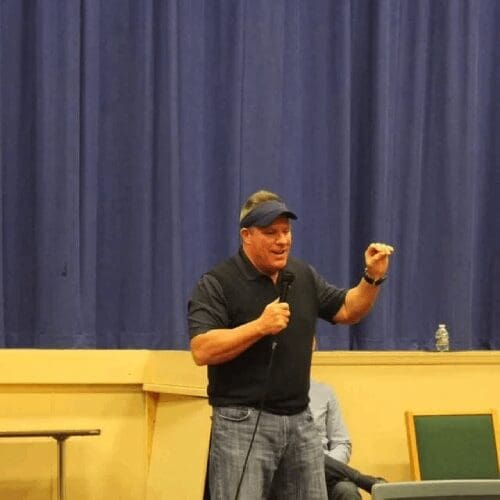
First, Jim takes your call himself. He answers his own phone, day or night. Then he maps the pattern with you. He separates crisis signs from hard seasons. Next, he prepares your family carefully. Letters, bottom lines, and treatment all align. On the day, Jim leads the meeting. Each person speaks with love and truth. Jim calls the shift the aha moment. Your loved one says, “I don’t have to live like this.” Jim calls that surrender to win.
Check Who You Are Trusting
Above all, check proof that strangers control. First, the credential: CIP #10266. The Pennsylvania Certification Board keeps that registry. Namely, Jim is a Certified Intervention Professional. Second, Jim joined the Association of Intervention Specialists in 2018. Third, A&E featured Jim on Intervention. His episode aired in Season 20. Fourth, Psychology Today verified Jim’s listing. Fifth, Intervention 365 holds 69 Google reviews. Every single review carries five stars. Overall, Jim has led 750+ interventions. His practice spans 15+ years of work.
An Honest Note About the Signs
Still, one bad week proves nothing alone. Grief, illness, and job loss mimic these signs. Patterns over months tell the truer story. Also, some signs demand emergency help first. Overdose risk and withdrawal danger come first. Jim will tell you honestly what fits. He never sells a family a meeting it does not need.
A Simple Way to Track the Pattern
First, keep a plain notebook this week. Write dates beside each incident you see. Note missing money and broken promises too. Also, save the texts that worry you. Facts calm fear and sharpen memory. Then bring the notebook to your call. Jim reads patterns faster from real notes.
If Someone Is in Danger Right Now
Call 911 first for any emergency. Also, SAMHSA runs a free National Helpline. SAMHSA is the Substance Abuse and Mental Health Services Administration. Its counselors connect families to treatment and support. That number is 1-800-662-4357, day or night. For a mental health crisis, likewise, dial 988. Specifically, 988 reaches the Suicide and Crisis Lifeline. For a poisoning emergency, finally, call Poison Control. That number is 1-800-222-1222, always open.
Questions Families Ask Us
What are the signs your loved one needs an intervention?
Constant lying, vanishing money, and repeated safety scares lead the list. Broken promises and a shrinking world follow closely. Patterns over months matter more than one bad week.
How many signs mean it is time to act?
No magic number exists, honestly. Three or four steady patterns usually mean time. Jim can help you read the pattern plainly.
What if my loved one hides the problem well?
Many do, for a surprisingly long time. However, the hiding itself is a sign. Secrecy grows as addiction takes more room.
Should we wait until things get worse?
No — worse always comes with addiction untreated. Earlier help protects health, family, and finances. One honest call can start the plan tonight.
Above all, trust what your own eyes keep showing you. The pattern is the message, and help exists. Call Intervention 365 at (888) 972-8513. You can also reach us at (267) 970-7623. Jim Reidy answers himself; then help starts there.