
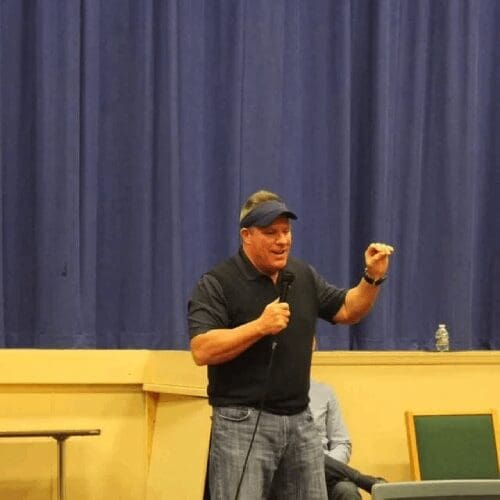
South Florida Emergency Addiction Intervention Services
When addiction, alcohol use, relapse, or a mental-health concern reaches a crisis point, families often feel they have to make impossible decisions with very little time and too much uncertainty.
Intervention 365 provides structured, family-centered addiction intervention services for families throughout South Florida, including Palm Beach County, Broward County, and Miami-Dade County. Led by James “Jim” Reidy, Certified Intervention Professional, CIP #10266, Intervention 365 helps families move from panic and confusion toward a clear, treatment-focused plan.
Jim Reidy has more than 15 years of direct intervention experience and has facilitated more than 750 professional interventions for families facing alcohol addiction, drug addiction, chronic relapse, treatment resistance, co-occurring mental-health concerns, and complicated family dynamics. Intervention 365 serves families across the East Coast and nationally when appropriate, with a professional presence in North Palm Beach for South Florida families seeking local, in-person support.
If there is an immediate medical or safety emergency, call 911 first.
Call 911 or seek emergency medical care if a loved one is unconscious, having a seizure, struggling to breathe, experiencing a suspected overdose, threatening suicide, behaving violently, or creating an immediate danger to themselves or someone else. Emergency addiction intervention planning can begin once urgent medical and safety needs are being addressed.
A Clear Plan for Families in Crisis
A substance-use crisis rarely affects only one person. It affects spouses, parents, children, siblings, employers, friends, and the entire support system around the person who is struggling.
Families may be dealing with repeated broken promises, escalating drinking or drug use, dangerous behavior, emotional volatility, financial problems, treatment refusal, relapse after rehab, legal consequences, or the fear that the next call will bring devastating news.
In these moments, families often ask:
- “How serious is this?”
- “Should we confront our loved one now?”
- “What do we say without making things worse?”
- “Can we get them into detox or treatment?”
- “How do we prepare if they say no?”
- “Who can help us organize an intervention safely?”
- “How quickly can our family get professional guidance?”
A professional intervention is not simply a confrontation. It is a carefully prepared process intended to help a family communicate honestly, establish healthy boundaries, present appropriate treatment options, and reduce the chaos that addiction often creates.
Intervention 365 helps South Florida families prepare for that process with a structured plan designed around the person’s circumstances, the family’s needs, available treatment options, and any immediate safety considerations.
South Florida Addiction Intervention Support
Intervention 365 works with families across South Florida, including:
- North Palm Beach
- Palm Beach Gardens
- Jupiter
- Juno Beach
- Tequesta
- West Palm Beach
- Boca Raton
- Delray Beach
- Boynton Beach
- Palm Beach County
- Fort Lauderdale
- Broward County
- Miami
- Miami-Dade County
South Florida families may be facing alcohol addiction, opioid use, prescription-drug misuse, cocaine use, methamphetamine use, benzodiazepine dependence, stimulant use, marijuana dependence, polysubstance use, relapse, or a combination of addiction and mental-health concerns.
Every situation is different. A family dealing with a young adult who refuses help will need a different strategy from a spouse confronting long-term alcoholism, parents responding to an adult child’s relapse, or a family attempting to help someone whose substance use has become dangerous or life-threatening.
That is why intervention planning should be personal, thoughtful, and based on the actual circumstances—not copied from a script or rushed into before the family has prepared.
Meet Jim Reidy, CIP #10266
James “Jim” Reidy is the founder and lead interventionist of Intervention 365. He is a Certified Intervention Professional, CIP #10266, credentialed through the Pennsylvania Certification Board.
Jim is also listed as a member of the Association of Intervention Specialists. The Association of Intervention Specialists profile identifies him as serving both Florida and Pennsylvania.
For more than 15 years, Jim has worked directly with families confronting drug addiction, alcohol addiction, treatment resistance, chronic relapse, behavioral-health concerns, and high-conflict family situations. Intervention 365 states that he has facilitated more than 750 professional interventions.
Jim has also been featured on A&E’s Intervention, including Season 20.
For South Florida families, Intervention 365 offers the benefit of substantial intervention experience along with a North Palm Beach presence. That may allow for in-person involvement in appropriate cases, while also giving families access to treatment-coordination experience developed through work with families across the East Coast and nationally.
What a Professional Interventionist Does
A professional interventionist helps a family create order when addiction has created chaos.
The work often begins before the intervention itself. Families commonly need help understanding how addiction affects decision-making, recognizing enabling patterns, creating healthy boundaries, choosing who should participate, and deciding how to communicate with their loved one in a calm but honest way.
Professional intervention planning may include:
- Private consultation with family members.
- Assessment of the immediate safety situation.
- Guidance on whether emergency medical or psychiatric care is needed first.
- Education about addiction, denial, relapse, and family systems.
- Identification of the people who should participate in the intervention.
- Planning for treatment, detoxification, evaluation, or other next steps.
- Coordination with admissions teams when appropriate.
- Preparation of letters, boundaries, and talking points.
- Rehearsal and intervention-team preparation.
- Support during the intervention meeting.
- Planning for transportation, escorts, or travel when appropriate.
- Guidance for the family after the intervention.
A responsible intervention process does not guarantee that a loved one will accept help. It does give families a more organized, informed, and united way to respond—especially when addiction has caused fear, division, secrecy, or repeated unsuccessful attempts to get someone into treatment.
A Structured, Family-Prepared Intervention Approach
Intervention 365 uses a structured, family-prepared approach to intervention planning. The process may be informed by Johnson Model principles, including preparation, direct and compassionate communication, clear treatment recommendations, and coordinated boundaries.
However, no two cases are identical.
A person who is actively intoxicated, medically unstable, suicidal, violent, homeless, recently discharged from treatment, facing criminal charges, or refusing all communication may require a different sequence of planning than someone who is ambivalent but still connected to family.
The intervention approach should account for:
- The severity and duration of the substance use.
- The person’s medical and psychiatric stability.
- Recent overdose, withdrawal, hospitalization, or relapse concerns.
- The person’s history with treatment.
- Whether detoxification or a higher level of care may be needed.
- Family relationships and unresolved conflict.
- The availability of treatment programs and admissions options.
- Travel, transportation, and safety logistics.
- The family’s readiness to set and follow through with healthy boundaries.
The goal is not to create a dramatic confrontation. The goal is to give the family a practical, united, treatment-focused plan.
When Is an Addiction Crisis an Emergency?
Some situations require immediate emergency medical or behavioral-health intervention—not an intervention meeting.
Call 911 or seek emergency medical care immediately if a loved one is:
- Unconscious or difficult to wake.
- Having trouble breathing.
- Turning blue, gray, or pale.
- Having a seizure.
- Experiencing a suspected overdose.
- Confused, delirious, or severely disoriented.
- Threatening suicide or attempting self-harm.
- Threatening violence or creating an immediate danger.
- Experiencing severe intoxication, withdrawal, or a psychiatric crisis that requires urgent evaluation.
If opioid overdose is suspected and naloxone is available, administer it according to the product instructions while calling 911. Do not wait to see if the person improves.
Once emergency professionals are involved or the person is medically stable, families can seek professional guidance about the next treatment-focused steps. Intervention 365 can help families evaluate the situation, prepare for a professional intervention, and coordinate appropriate treatment options when appropriate.
How Quickly Can an Intervention Be Arranged?
Families in crisis understandably want help immediately. The timing of an intervention depends on the safety and complexity of the situation.
Important factors can include:
- Whether there is an active medical or psychiatric emergency.
- Whether the person is currently intoxicated or in withdrawal.
- Family-member availability and willingness to participate.
- The need for treatment placement or medical detoxification.
- Insurance, admissions, and bed availability.
- Travel, transportation, or escort needs.
- The person’s current location and level of risk.
- The amount of preparation the intervention team needs.
A carefully planned intervention can protect the family and improve the quality of the conversation. Preparation allows family members to align around a plan, understand what they are asking for, establish healthy boundaries, rehearse communication, and identify appropriate treatment resources before the intervention occurs.
Intervention 365 can speak with families about the urgency of their circumstances and help determine the safest, most appropriate next step. No responsible professional should promise an identical response time or guarantee an intervention outcome without first understanding the facts of the case.
Treatment Coordination and Admissions Support
An intervention should never end with an unclear “now what?”
When a loved one agrees to accept help, families often need to move quickly from the intervention conversation to the next appropriate level of care. Depending on the person’s needs, that may involve medical detoxification, residential treatment, partial hospitalization, intensive outpatient care, psychiatric evaluation, recovery housing, or continuing-care planning.
Intervention 365 can help families identify and coordinate treatment options, communicate with admissions teams, and plan the transition into care when appropriate.
Treatment providers, medical professionals, insurers, and admissions departments make the final clinical, medical, insurance, and bed-availability decisions. Intervention 365’s role is to help the family prepare, organize, communicate, and coordinate next steps so the family is not trying to solve every problem alone during a crisis.
Addiction, Relapse, and Co-Occurring Concerns
Substance use rarely exists in a vacuum. Families may also be concerned about depression, anxiety, trauma, grief, bipolar symptoms, isolation, eating disorders, anger, impulsivity, relationship conflict, job loss, legal problems, or repeated treatment failure.
A co-occurring mental-health concern can make intervention planning more complex. It may also affect the level of care a person needs and whether immediate psychiatric or medical evaluation should happen before any intervention conversation.
Intervention 365 works with families who are dealing with:
- Alcohol addiction.
- Opioid addiction.
- Prescription-drug misuse.
- Cocaine and stimulant use.
- Benzodiazepine dependence.
- Marijuana dependence.
- Polysubstance use.
- Chronic relapse.
- Treatment resistance.
- Dual diagnosis and co-occurring concerns.
- Family conflict related to addiction.
- Adult children whose substance use has become dangerous.
- Spouses, parents, or professionals whose alcohol or drug use is escalating.
If someone is in immediate danger, emergency medical and behavioral-health services come first. If the situation is urgent but not an immediate emergency, a professional intervention consultation can help your family decide what to do next.
Why Experience and Credentials Matter
The term “interventionist” is used broadly, and families may encounter providers with very different training, backgrounds, credentials, methods, and levels of direct experience.
When considering professional help, families should ask:
- Does the interventionist hold a recognizable professional credential?
- Who issued the credential?
- How much direct intervention experience does the person have?
- Will the family work directly with the interventionist?
- What is the planning process before the intervention?
- How are treatment options identified and coordinated?
- What happens if the person refuses help?
- Is there family support after the intervention?
- How does the interventionist address safety concerns?
- Are the provider’s claims, credentials, and affiliations clearly stated?
Jim Reidy’s published professional background includes the Certified Intervention Professional credential, CIP #10266, through the Pennsylvania Certification Board; Association of Intervention Specialists membership; more than 15 years of experience; and more than 750 professional interventions facilitated through Intervention 365.
Families should always verify credentials directly, ask detailed questions, and choose a professional whose approach matches the needs of the person and family involved.
Frequently Asked Questions
Does Intervention 365 provide addiction intervention services in South Florida?
Yes. Intervention 365 serves families throughout South Florida, including Palm Beach County, Broward County, Miami-Dade County, North Palm Beach, Palm Beach Gardens, Jupiter, West Palm Beach, Boca Raton, Fort Lauderdale, and Miami. Service availability depends on the circumstances, scheduling, safety needs, and logistics of each case.
Does Jim Reidy work with families in Palm Beach County?
Yes. Jim Reidy and Intervention 365 serve Palm Beach County families, including families in North Palm Beach, Palm Beach Gardens, Jupiter, Juno Beach, Tequesta, West Palm Beach, Boca Raton, Delray Beach, and Boynton Beach.
Is Jim Reidy certified?
Jim Reidy is a Certified Intervention Professional, CIP #10266, credentialed through the Pennsylvania Certification Board. He is also listed as a member of the Association of Intervention Specialists.
Is “board-certified interventionist” the right term?
The clearest and most precise credential wording is:
James “Jim” Reidy is a Certified Intervention Professional, CIP #10266, credentialed through the Pennsylvania Certification Board.
If “board-certified” is used, identify the credentialing organization in the same sentence. This helps families understand exactly what the designation means and avoids vague credential claims.
What happens if my loved one refuses treatment?
Treatment refusal is common, especially when addiction, denial, fear, shame, anger, or mental-health symptoms are present. A professional interventionist can help the family prepare for possible resistance, communicate clear treatment options, establish realistic boundaries, and determine what the family will do if the person chooses not to accept help.
No ethical interventionist can guarantee acceptance of treatment. The purpose of preparation is to help the family respond with unity, clarity, compassion, and follow-through.
Can Intervention 365 help find detox or rehab?
Intervention 365 can help families identify appropriate treatment options, communicate with admissions teams, and coordinate next steps when appropriate. Medical clearance, insurance coverage, final placement decisions, and treatment admission are handled by qualified treatment providers, medical professionals, insurers, and admissions departments.
Can an intervention happen the same day?
In some urgent circumstances, families may be able to receive rapid guidance. Whether an intervention itself can be conducted quickly depends on safety, medical needs, family readiness, treatment availability, travel logistics, and the amount of preparation required.
A person experiencing overdose symptoms, severe intoxication, violence risk, a seizure, inability to breathe, unconsciousness, or imminent self-harm needs emergency medical or behavioral-health care first.
Does Intervention 365 help with relapse?
Yes. Families often contact Intervention 365 after a relapse, especially when a loved one has left treatment early, stopped participating in recovery, resumed dangerous substance use, or begun isolating from family support.
Relapse can be dangerous, particularly after a period of abstinence, because tolerance may be lower and overdose risk may increase. Families should treat a return to substance use seriously and seek immediate emergency help if there are signs of overdose, medical instability, or imminent danger.
Speak With a South Florida Intervention Professional
If your family is facing addiction, alcoholism, relapse, treatment refusal, or an escalating behavioral-health crisis, you do not have to make every decision alone.
Intervention 365 helps families throughout South Florida develop a more organized plan for treatment-focused intervention, family communication, treatment coordination, and next-step decision-making.
James “Jim” Reidy, Certified Intervention Professional, CIP #10266, works directly with families facing complex addiction and recovery situations in Palm Beach County, Broward County, Miami-Dade County, across Florida, throughout the East Coast, and nationally when appropriate.
For an immediate medical, overdose, suicide, violence, breathing, seizure, or unconsciousness emergency, call 911 now.
For urgent intervention guidance after immediate safety needs are addressed, contact Intervention 365 for a confidential consultation.
SEO Fields
SEO Title
South Florida Emergency Addiction Intervention Services | Intervention 365
Meta Description
Need urgent addiction intervention support in South Florida? Jim Reidy, Certified Intervention Professional, CIP #10266, helps families in Palm Beach County, Broward, and Miami-Dade create a treatment-focused plan.
Suggested URL Slug/south-florida-emergency-addiction-intervention/
Primary Keyphrase
South Florida emergency addiction intervention
Supporting Keyphrases
- South Florida interventionist
- Emergency addiction intervention South Florida
- Palm Beach County interventionist
- Broward County addiction intervention
- Miami addiction intervention
- Professional addiction interventionist
- Family intervention South Florida
- Drug intervention South Florida
- Alcohol intervention South Florida
- Emergency family intervention
Suggested Internal Links
Add contextual links from the following existing pages into this new landing page:
- Your Florida intervention-services page using: “South Florida emergency addiction intervention services.”
- Your North Palm Beach or Palm Beach Gardens page using: “professional intervention support in Palm Beach County.”
- Your emergency addiction article using: “what to do during a substance abuse emergency.”
- Your main intervention services page using: “professional addiction intervention services.”
- Your Jim Reidy credential/about page using: “meet Jim Reidy, Certified Intervention Professional CIP #10266.”
- Your treatment-placement or admissions page using: “treatment coordination and admissions support.”
- Your relapse-related pages using: “professional help after addiction relapse.”
Recommended Schema
Use these schema types only if every structured-data field matches visible, accurate page content:
ProfessionalServiceLocalBusinessOrganizationPersonFAQPage
For the local business/service area fields, list South Florida, Palm Beach County, Broward County, Miami-Dade County, North Palm Beach, Palm Beach Gardens, Jupiter, West Palm Beach, Boca Raton, Fort Lauderdale, and Miami.
Use the credential in schema exactly as:
Certified Intervention Professional (CIP #10266), Pennsylvania Certification Board
Only list a North Palm Beach street address if it is a real, active, public-facing, and verifiable business location. The current public information supports Florida service coverage and a North Palm Beach presence, while professional listings also identify Florida and Pennsylvania as service locations.